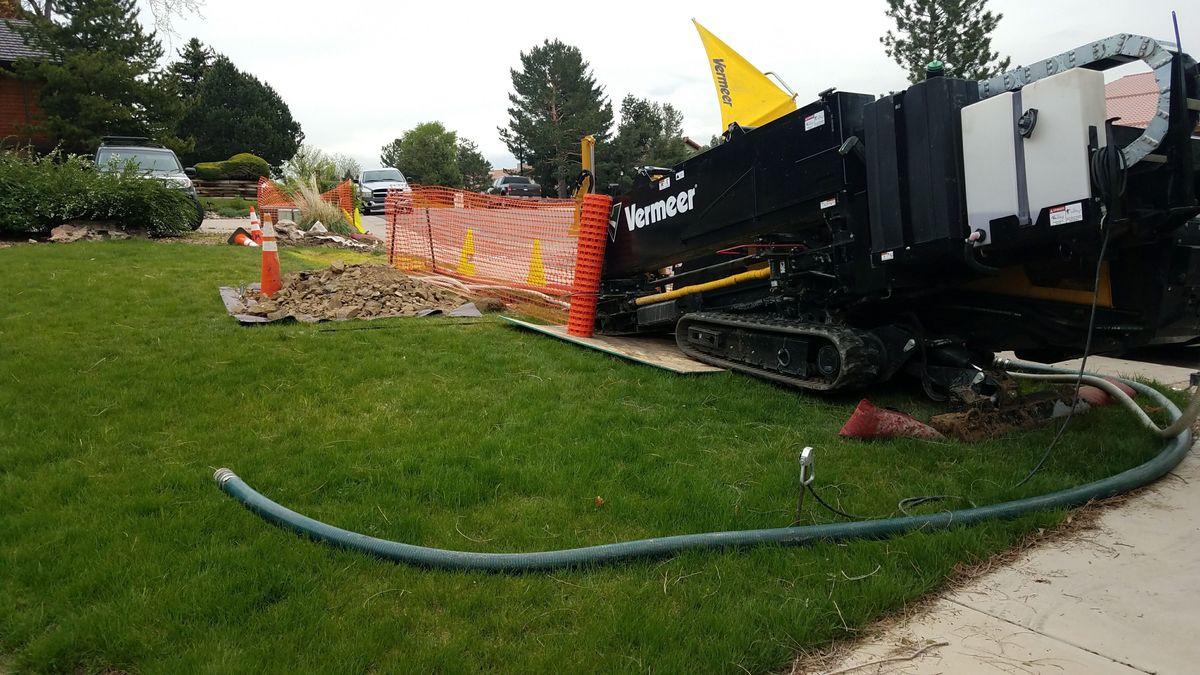
In today's rapidly developing world, the need for robust and reliable underground infrastructure is paramount. From connecting homes with high-speed internet to ensuring safe water delivery, the methods for installing these essential utilities are constantly evolving. Directional boring, also known as horizontal directional drilling (HDD), stands out as a revolutionary technique for achieving these goals with minimal disruption. At L & M Underground, Inc., we understand the critical role this technology plays in successful infrastructure projects, enabling precise installations beneath complex landscapes.
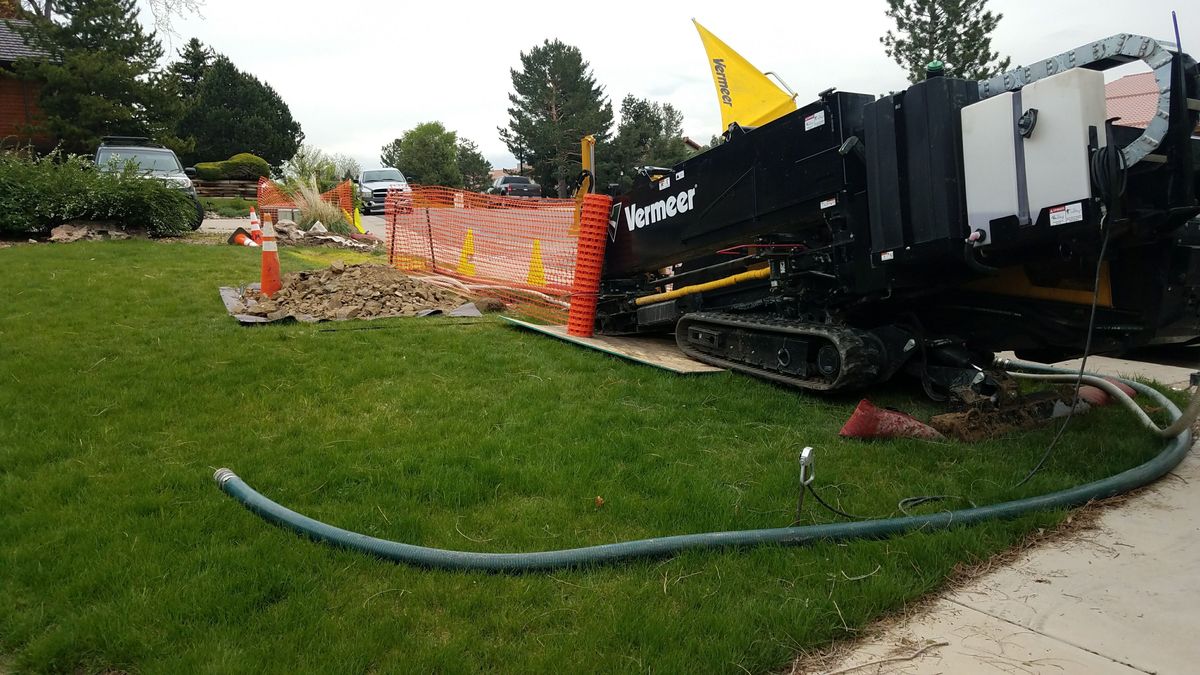
What is Directional Boring (HDD)?
Directional boring, or Horizontal Directional Drilling (HDD), is a trenchless method used for installing underground pipes, conduits, and cables without disturbing the surface. Unlike traditional trenching, which involves digging long, open cuts, HDD utilizes specialized machinery to drill a bore path from a surface entry point to a surface exit point. The process begins with a pilot bore, guided by an experienced operator using a tracking system to ensure accuracy. Once the pilot bore is complete, it is progressively enlarged using reaming tools, creating a pathway for the utility line. Finally, the pipe or conduit is pulled back through the enlarged bore, precisely into its underground position. This sophisticated technique allows for the installation of essential infrastructure under roads, rivers, buildings, and other obstacles without open excavation.
Key Advantages of Directional Boring
The adoption of directional boring has grown significantly due to its numerous benefits over conventional methods. One of the primary advantages is its minimal environmental and surface impact. By avoiding extensive trenching, HDD preserves existing landscapes, reduces soil erosion, and minimizes disruption to traffic flow, businesses, and daily life. This efficiency also often translates to faster project completion times, as there's less surface restoration required. Furthermore, directional boring enhances safety by reducing the need for open trenches, which can pose hazards to workers and the public. It also provides a reliable solution for installing utilities in challenging conditions, such as areas with unstable soil, high water tables, or dense urban environments, ensuring the integrity and longevity of the installed infrastructure.
Versatile Applications of HDD Technology
Directional boring is an incredibly versatile technology, making it indispensable across a wide range of infrastructure projects. It is extensively used for installing telecommunications lines, including fiber optics and broadband cables, to power our digital world. Energy sectors rely on HDD for gas and electrical conduit installations, ensuring safe and efficient delivery of power. Water and sewer lines are also commonly installed using this trenchless method, providing critical services while protecting sensitive ecosystems. From large-scale industrial developments to essential residential utility upgrades and public works projects, HDD offers a precise and adaptable solution. Its capability to navigate around existing underground utilities further solidifies its status as a go-to technique for modern infrastructure development.
Directional boring is more than just a method; it's an essential solution for modern utility installation, providing a less disruptive, more efficient, and safer path for vital infrastructure. By minimizing surface disturbance and navigating complex environments, HDD ensures that essential services are delivered reliably and sustainably. Understanding its capabilities can greatly benefit anyone involved in infrastructure development. To learn more about how advanced utility installation techniques can support your next project, and to explore the quality and expertise L & M Underground brings to every challenge, we invite you to connect with our team.