Embarking on any underground utility project, whether for new infrastructure or essential repairs, invariably brings forth a crucial decision: how to efficiently and effectively install conduits and pipelines while minimizing disruption. Two primary methods stand out in the contractor industry: traditional trenching and Horizontal Directional Drilling (HDD). Understanding the nuances of each is vital for project success, ensuring safety, efficiency, and environmental responsibility. At L & M Underground, Inc., we leverage our extensive experience to guide our clients through this decision, ensuring optimal outcomes for every installation.
Traditional Trenching: The Tried-and-True Method
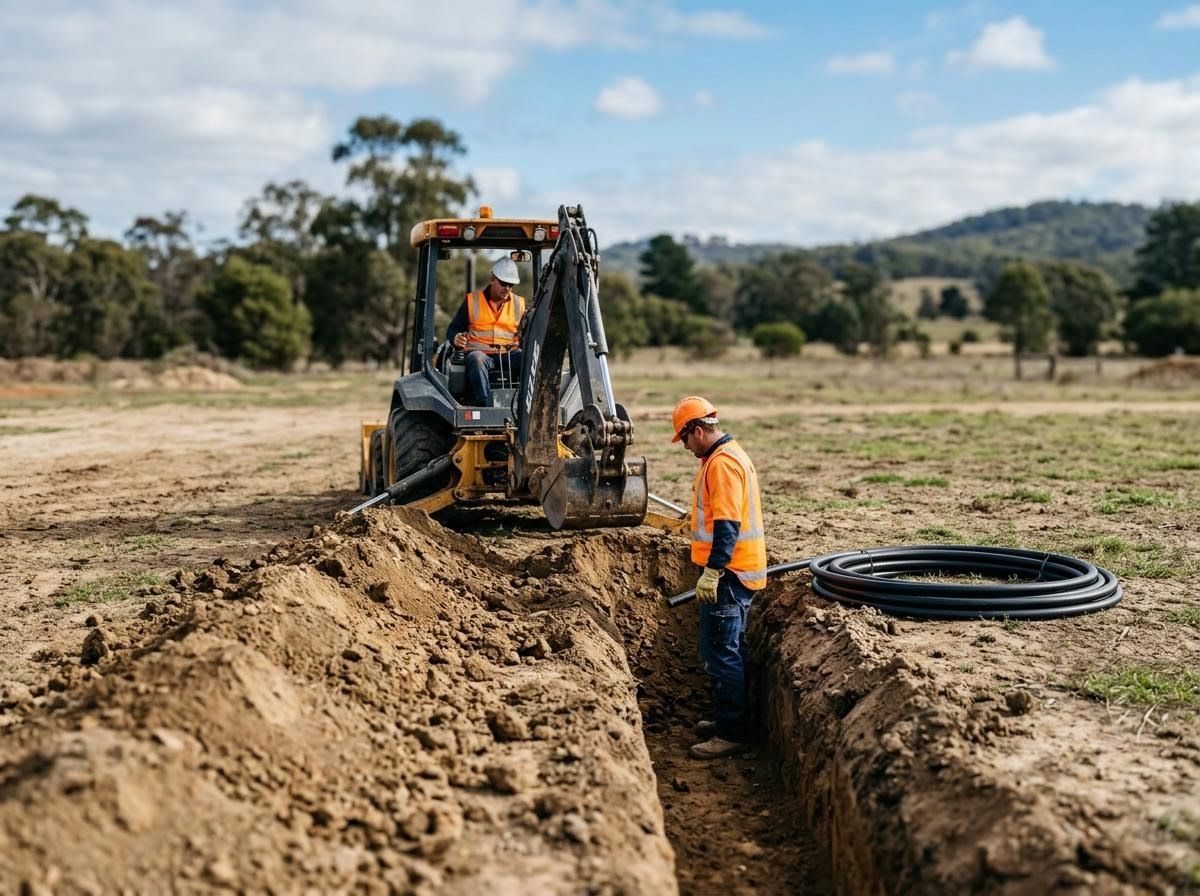
Traditional trenching involves excavating a ditch or trench directly above the path where the utility line will be laid. This method is often preferred for projects in open, undeveloped areas where surface disruption is less of a concern. Trenching is often preferred for a large number of conduits requiring spacers or concrete encased duct runs. Advantages include direct visual inspection of the installation process, which can simplify immediate problem-solving, and potentially lower costs for straightforward, shallow installations in easily accessible terrain. However, trenching can be highly disruptive, requiring extensive surface restoration afterwards, including roads, landscaping, and existing structures. It's also typically slower and can create significant environmental impact due to soil disturbance and potential erosion.
Horizontal Directional Drilling (HDD): The Modern Solution
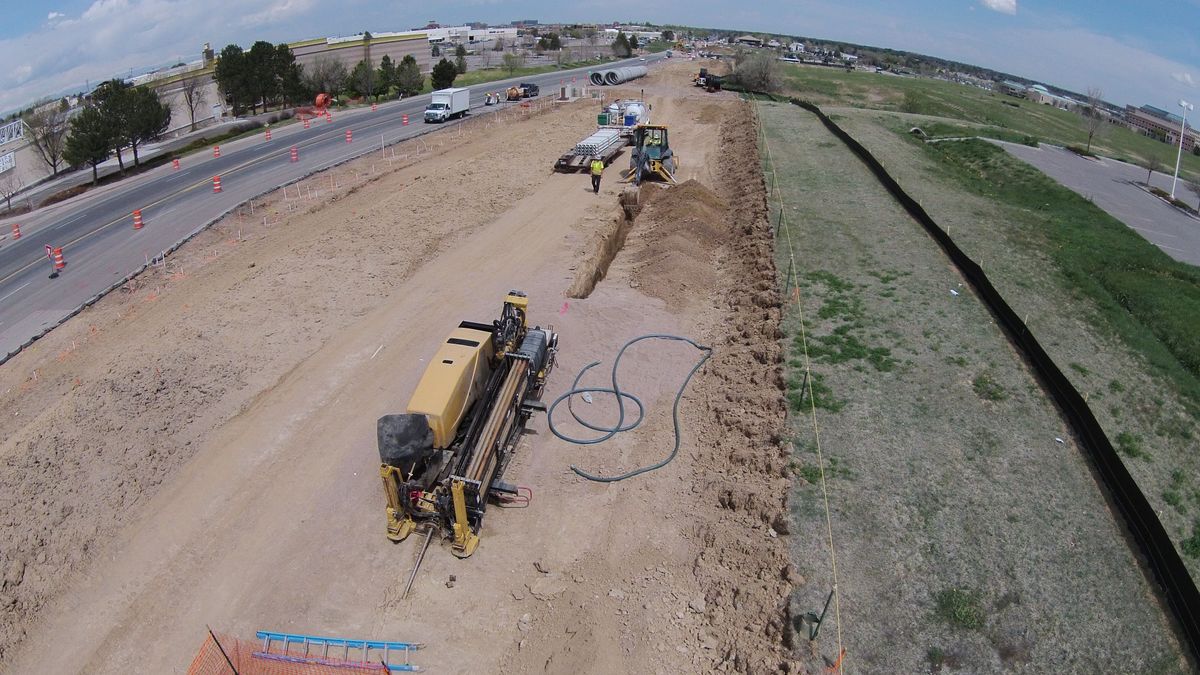
Horizontal Directional Drilling, or HDD, is a trenchless technology that offers a less invasive alternative to traditional digging. This method involves drilling a pilot bore along a pre-determined path, then enlarging it before pulling the utility pipe through. HDD is particularly advantageous in congested urban areas, under rivers, roads, railways, or environmentally sensitive zones, where minimal surface disruption is paramount. Key benefits include significantly reduced surface damage, faster project completion times for many applications, and the ability to navigate complex underground obstacles without disturbing existing infrastructure. This precision drilling method also typically results in lower restoration costs and a smaller environmental footprint.
Choosing the Right Method: Key Considerations
Deciding between HDD and traditional trenching requires a thorough evaluation of several project-specific factors. Consider the site conditions: Is it an open field or a bustling city street? What are the soil characteristics, and are there significant geological challenges like rock? Environmental impact is another critical factor; if preserving landscapes, waterways, or minimizing traffic disruption is a priority, HDD often presents a superior option. Project timelines and budget constraints also play a role, as does the presence of existing utilities. HDD can be more cost-effective in the long run by avoiding expensive surface repairs and minimizing traffic disruptions, while trenching might be more straightforward for very short, shallow runs. Understanding local regulations and permits for both methods is also essential to ensure compliance and avoid delays.
Conclusion
Ultimately, the choice between Horizontal Directional Drilling and traditional trenching depends on the unique demands and constraints of your specific infrastructure project. Both methods have their distinct advantages and ideal applications, and a successful outcome hinges on making an informed decision tailored to your site, budget, and environmental goals. At L & M Underground, Inc., we pride ourselves on our technical expertise and commitment to quality, offering comprehensive utility installation solutions across Colorado. To explore which method best suits your next project and to ensure its safe and efficient execution, we invite you to learn more about our specialized services for both horizontal directional drilling and trenching.